
Dashboard Warning Lights You Should Never Ignore (And What They Actually Mean)
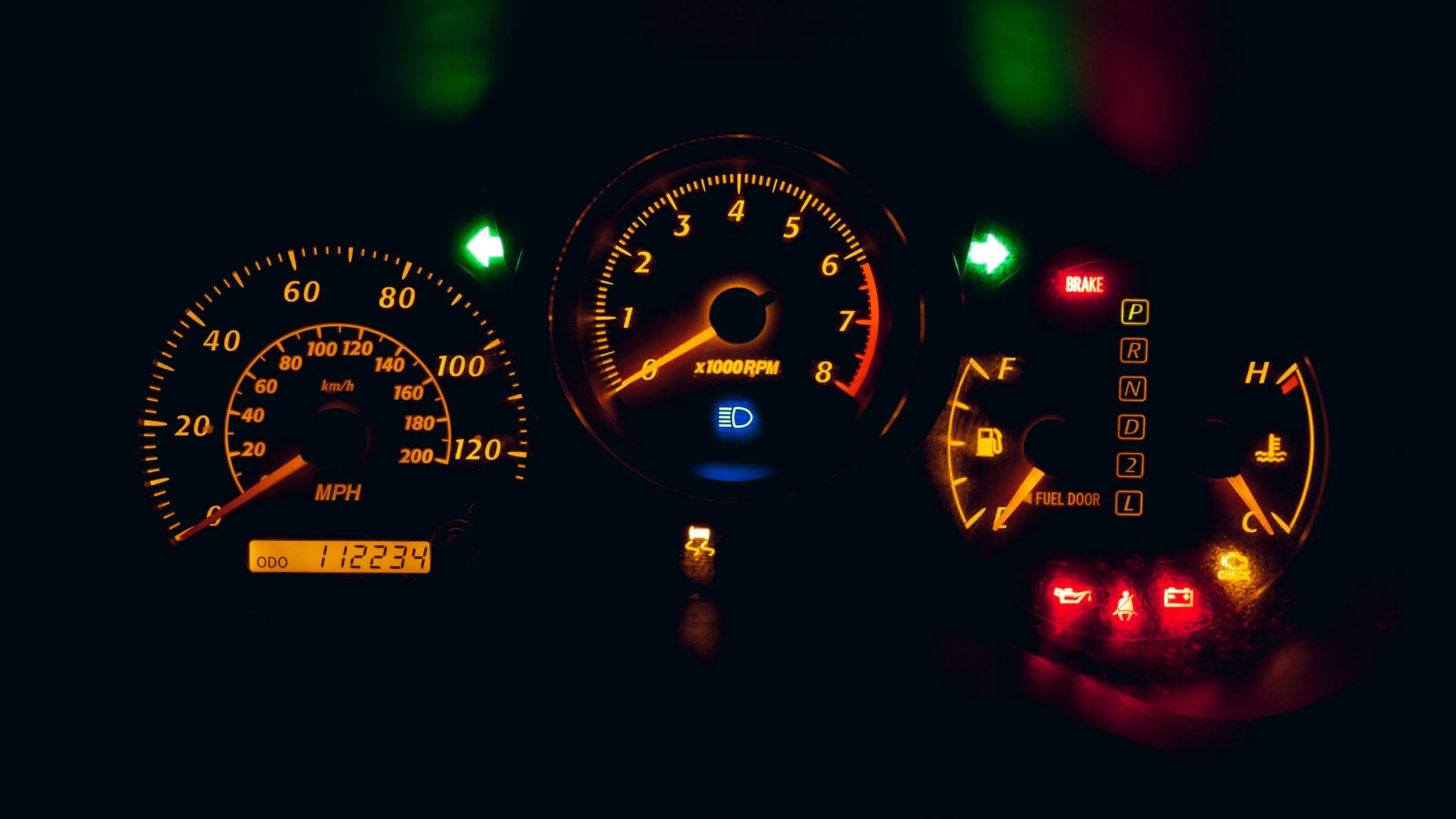
Modern vehicles are designed to warn you when something is wrong, but dashboard lights can feel confusing or easy to dismiss. Some alerts are minor, while others signal issues that should be checked immediately to avoid serious damage or safety risks.
Here are the most important dashboard warning lights drivers should never ignore.
Check Engine Light
This is one of the most common and misunderstood alerts. A steady check engine light can indicate anything from a loose gas cap to an engine sensor issue. A flashing light, however, means there is an active problem that could cause damage if you continue driving. Either way, it is best to have it scanned as soon as possible.
Oil Pressure Light
This light means your engine may not be receiving enough oil pressure. Driving with low oil pressure can cause rapid and severe engine damage. If this light comes on, pull over safely and turn the engine off.
Battery Warning Light
This does not necessarily mean the battery is dead. It usually indicates a charging system issue, such as a failing alternator or loose connection. If ignored, the vehicle may stall or fail to restart.
Brake System Warning Light
This can signal low brake fluid, worn brake components, or an issue with the braking system itself. Because brakes are critical to safety, this light should always be inspected promptly.
Temperature Warning Light
If your engine is overheating, continuing to drive can cause serious internal damage. Stop the vehicle, let it cool, and have it checked before driving again.
Dashboard warning lights are your vehicle’s way of asking for attention. Addressing them early often prevents larger repairs and keeps you safe on the road. If you are unsure what a warning light means, a professional inspection can give you clarity and peace of mind.
